Agentic CommerceACPUCPFor Ecommerce

AI agents will shop
on behalf of customers.
Your store has to be readable to them.

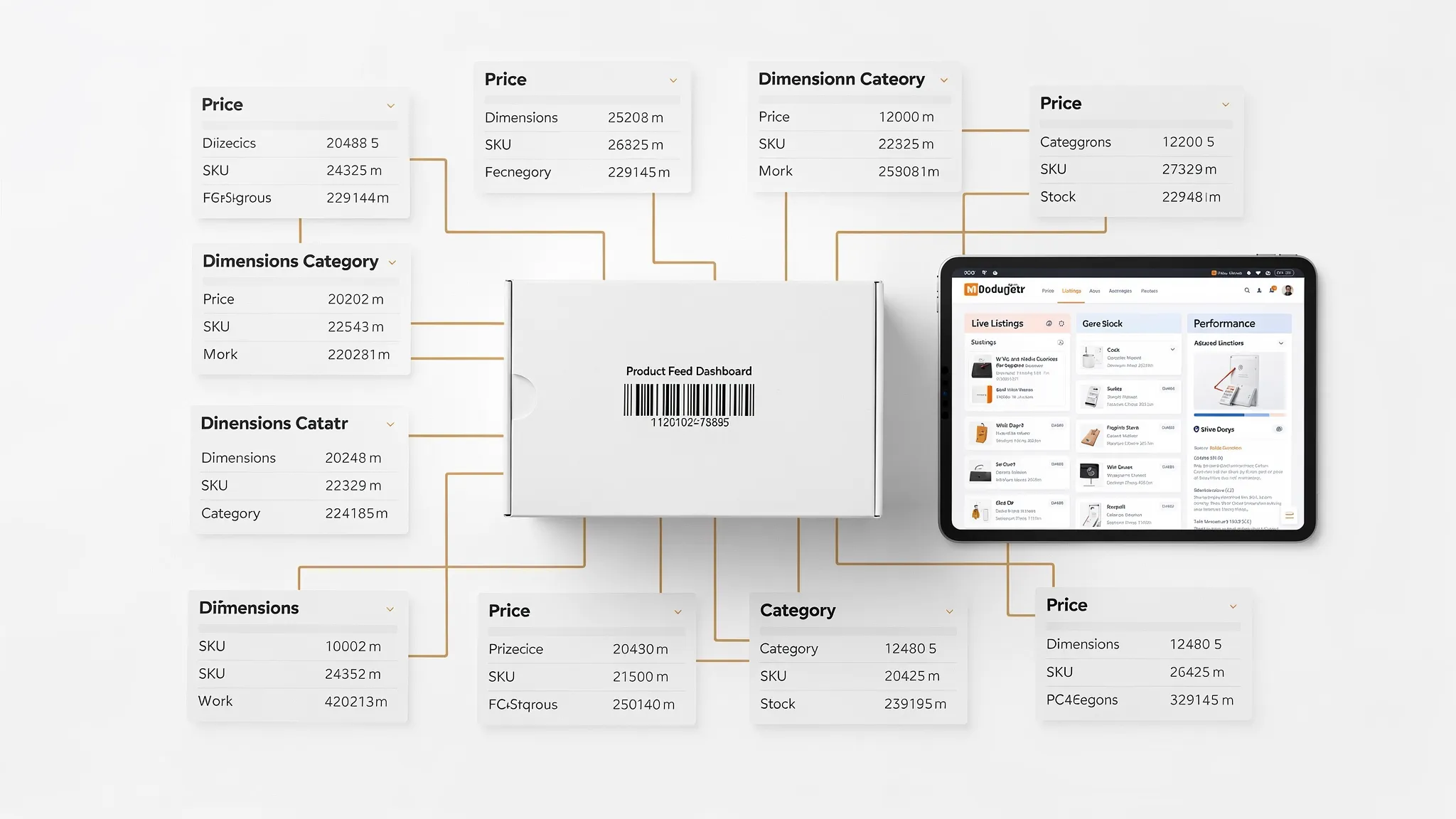
A new commerce layer is forming: AI agents that find products, compare offers, and move through checkout for the customer. They do not browse a store like a person. They read structured product data and use protocols such as ACP and UCP.

Here is what that means for an online store: first in the numbers, then in the code.

The impact — by the numbers

This is still early, but the direction is concrete: part of discovery and transaction flow is moving from the storefront into the agent layer.

25%

Of US ecommerce could flow through AI shopping agents by 2030

Bain & Company
$5T

Forecast global agentic-commerce sales by 2030 (high estimate)

McKinsey
30%

Of shoppers say they would let an AI agent complete a purchase

Contentsquare, 2025
$3B

Of US Black Friday sales already influenced by AI and agents

Salesforce
Two open protocols

What a shopping agent actually reads.

Two standards now describe how an agent can find a product and complete a purchase. Both are open (Apache-2.0) and use similar pieces of agent infrastructure, including MCP and A2A. For store owners, the practical work is making catalog data, variants, availability, pricing, and checkout unambiguous to machines.

Protocol · OpenAI + Stripe

Agentic Commerce Protocol

ACP describes checkout inside ChatGPT. The store publishes a product feed and exposes a checkout API; payment is delegated through a token, so the agent can pay without access to card details. Shopify, Etsy, Instacart, and DoorDash are already part of the ACP ecosystem.

feed · upsert_products.json
// ACP — a product in the merchant feed.
// The agent reads the data, not the storefront screen.
{
"products": [{
"id": "prod_classic_tee",
"title": "Classic Tee",
"description": { "plain": "A classic cotton tee, soft and relaxed." },
"url": "https://merchant.com/products/classic-tee",
"variants": [{
"id": "sku124-red-m",
"title": "Classic Tee — Red / Medium",
"barcodes": [{ "type": "GTIN", "value": "00012345600029" }],
"price": { "amount": 1999, "currency": "usd" }
}]
}]
}
checkout · /checkout_sessions
// ACP — the agent starts checkout on the buyer's behalf.
// Payment is delegated by token; card data never reaches the store.
POST /checkout_sessions
{
"currency": "usd",
"line_items": [{ "id": "item_123" }],
"fulfillment_details": {
"name": "John Doe",
"email": "johndoe@example.com",
"address": { "city": "San Francisco", "country": "US", "postal_code": "94131" }
}
}
Protocol · Google

Universal Commerce Protocol

UCP was announced by Google at NRF 2026. The store publishes a discovery endpoint that describes what it can handle; agents can transact over REST, A2A, or MCP, with payment handled by the Agent Payments Protocol (AP2). The standard is tied to Google AI Mode and Gemini.

discovery · /.well-known/ucp
// UCP — the store publishes its capabilities.
GET /.well-known/ucp
{
"ucp": {
"version": "2026-01-11",
"services": {
"dev.ucp.shopping": {
"spec": "https://ucp.dev/specs/shopping",
"rest": { "endpoint": "https://store.example/ucp" }
}
},
"capabilities": [
{ "name": "dev.ucp.shopping.checkout" }
]
},
"payment": { "handlers": [{ "id": "google_pay" }] }
}

ACP and UCP are open standards (Apache-2.0). The links above point to the primary specs, so each detail can be checked at the source.